
Our Work
Council Meetings

Currently, NCLFC council members meet virtually each month to connect, collaborate, and share updates on work relevant to supporting North Carolina’s local food system. NCLFC also hosts an annual in-person gathering to foster relationships between council members and begin strategic planning for the upcoming year.
Historically, the entire North Carolina Local Food Council (NCLFC) met quarterly in-person. However, in 2020, the second quarter meeting was canceled due to social distancing orders in place for COVID-19. In response, the council pivoted to start meeting every Thursday to discuss issues around COVID-19 such as food access, food supply chain adaptation, and other specific pinch points as they arose.
Working Groups
Working groups are the spaces where NCLFC takes action towards our vision and mission statements. Our actions are focused on developing education, research, and resource based tools that can make an impact on health and wellbeing of all North Carolinians, economic vitality and diversity in our farms, fisheries, and markets, and resilient food ecosystems.
Working groups are reviewed and nominated annually as agreed upon by the majority of council members.
Working groups are open for any organization or community member to join.

Local Food Infra-structure
Mapping Local Food Value Chains

Food Recovery
Rescuing Food from Landfills

Community Health
Improving Healthy Food Access
Inactive Working Groups and Task Forces

Local Food Marketing
Connecting Consumers & Producers

Climate Change
Keeping Climate Change Front of Mind
Cold Storage Access
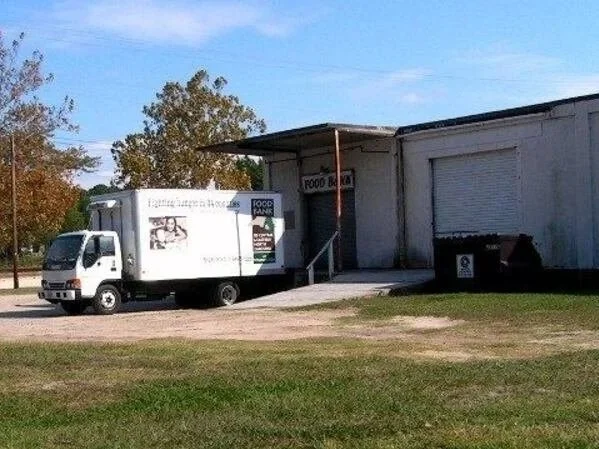
Increasing Access to Cold Storage in the Food System from the Warehouse to the Kitchen
Internship Programs

Food-Inspired Resilience Internship Program
Hosted by the North Carolina Local Food Council (NCLFC), Community Food Strategies, and the Center for Environmental Farming Systems (CEFS) the Food-Inspired Resilience Internship program hosts student and recent graduate interns during the academic year to support their host site’s community food systems work. Throughout the year, interns are paid to assist and manage various projects, including research, meeting facilitation, logistical support, and communications, as well as other tasks that align with the host’s needs and the intern’s interests.
Emergency Response Resources
Emergency Response Resources

-
-
All of NCLFC gathered resources are now being hosted on the COVID-19 Center for Environmental Farming Systems page.